Kunst der Täuschung: When Reality Becomes the Interface

What if the real world was only one visible layer?

For the exhibition “Kunst der Täuschung” at the Museum der Stadt Parchim, this idea was a perfect fit for our technology. The exhibition explores perception, illusion, and the ways reality can be altered. With auto-adaptive Mixed Reality, we could translate this concept directly into an interactive spatial experience.

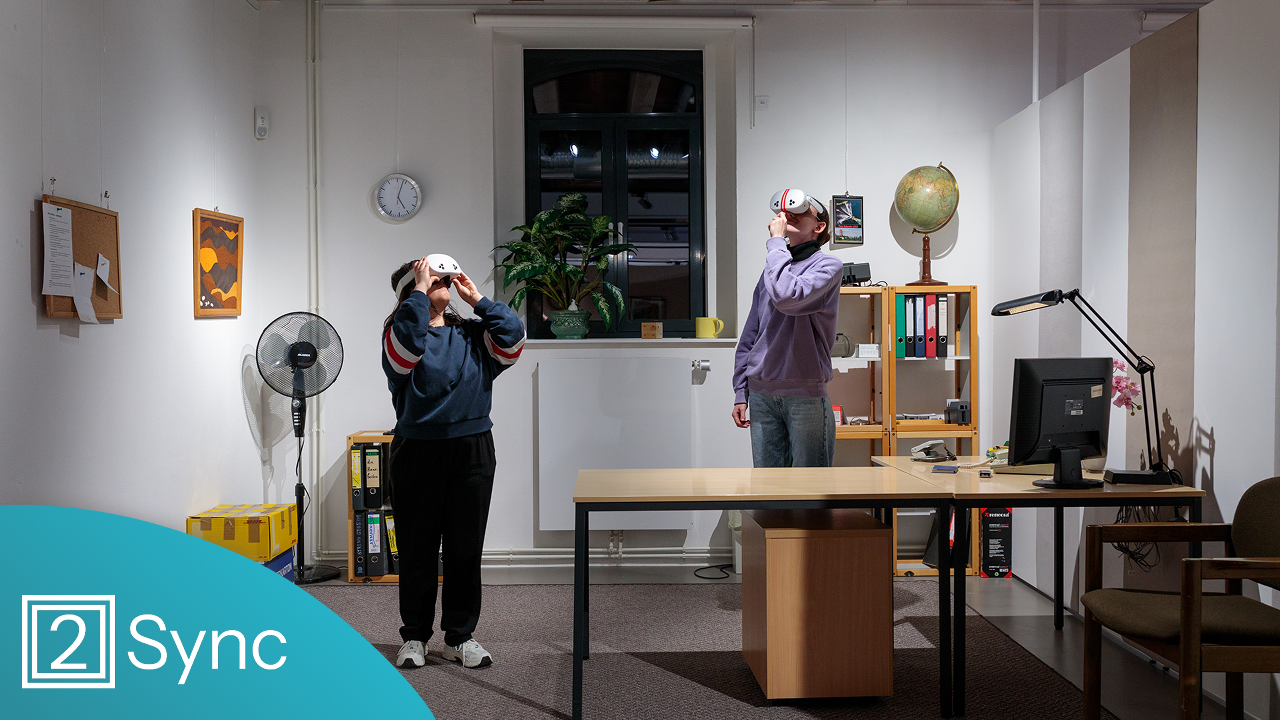
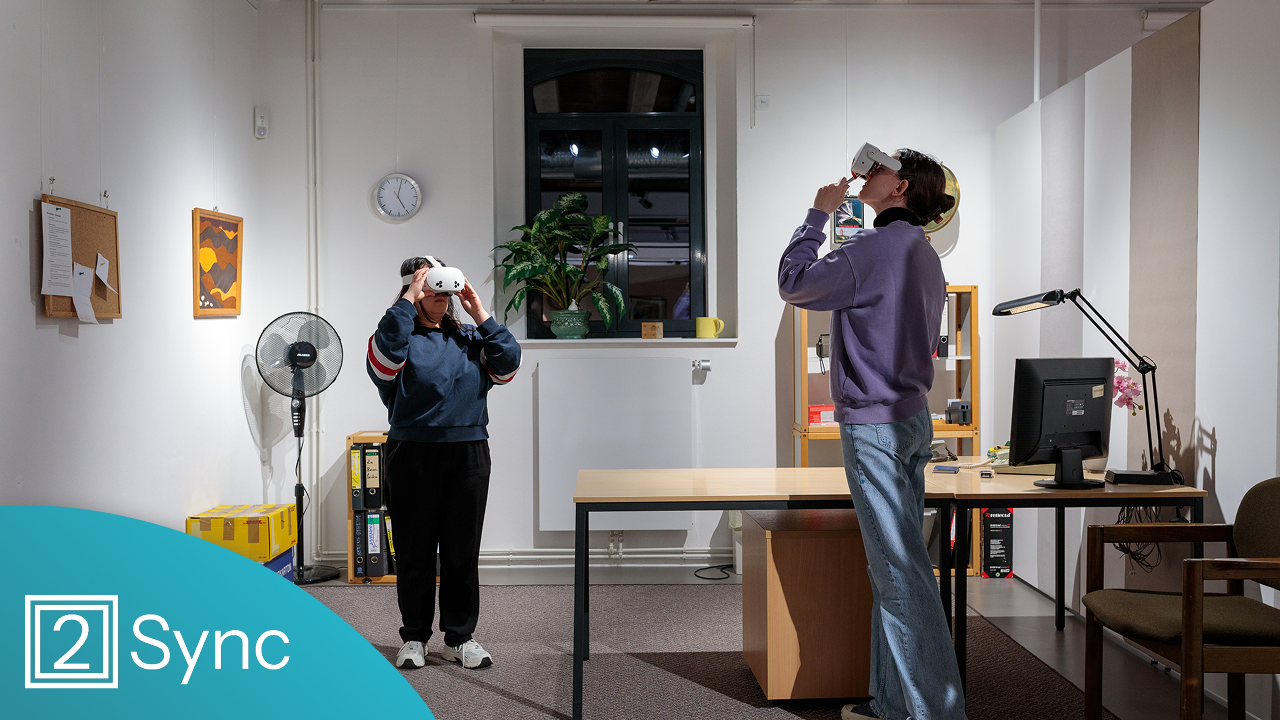
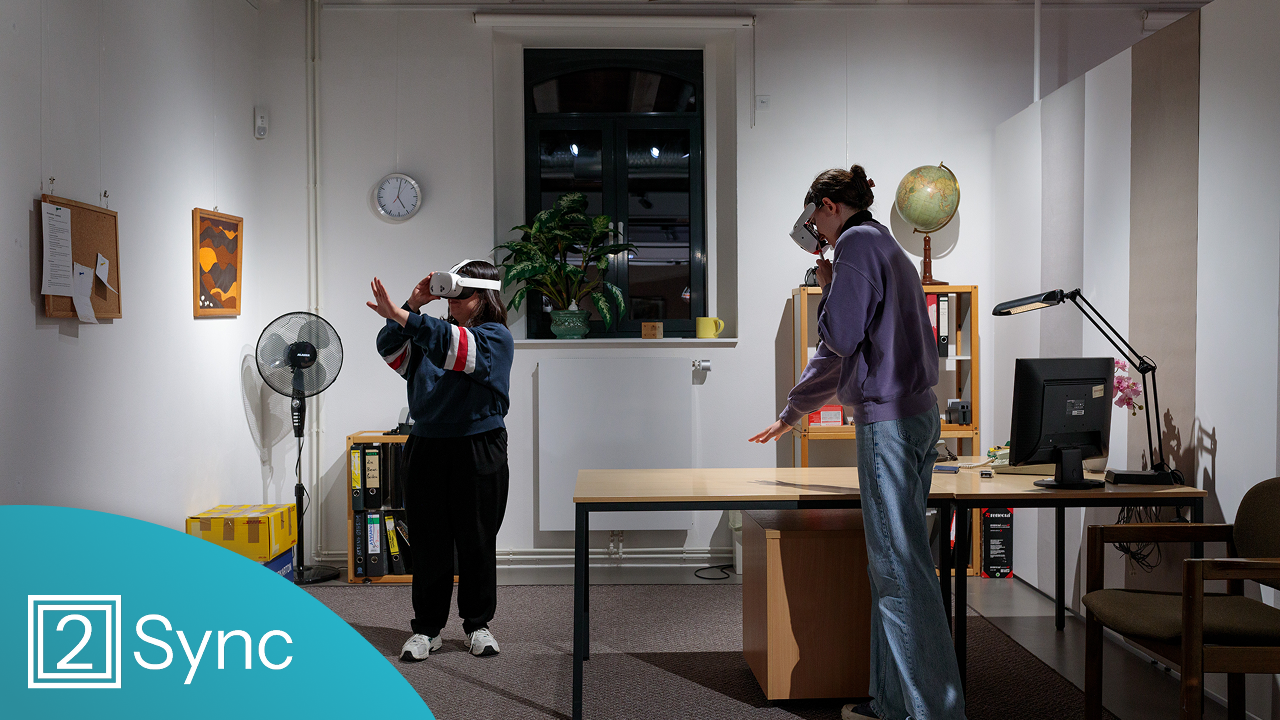
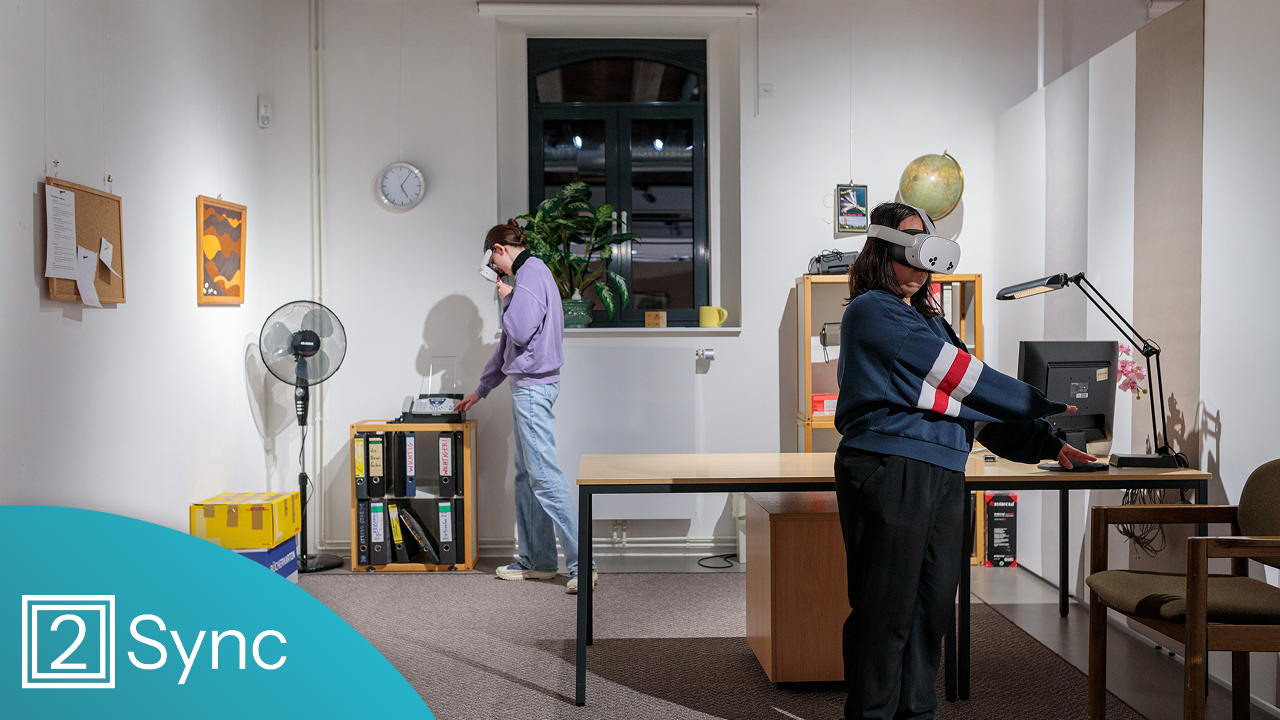
The installation used the real museum space as its foundation. Visitors moved through the physical room, but the environment could transform into different virtual worlds. The same walls, objects, and open areas stayed in place – but their appearance changed completely.

This created a simple but powerful illusion: the real space remained familiar, while new virtual layers appeared on top of it. A room was no longer just one room. It became a canvas for multiple realities.

2Sync made this possible with auto-adaptive Mixed Reality technology. Using room scanning and spatial computing, the application adapted to the physical environment instead of requiring a fixed installation. This allowed the real room to be reused in different ways, with each virtual layer creating a new interpretation of the same space.

Visitors could explore these worlds through free movement and intuitive interaction. Handtracking made the experience accessible without controllers. Spatial audio added another layer of presence and helped anchor the virtual transformation inside the room.

For museums, this opens an interesting direction: exhibitions do not need to replace the physical space. They can extend it. Under the visible real world, there can be many virtual layers – artistic, historical, abstract, or interactive.“Kunst der Täuschung” showed how well this idea fits our technology. The real room becomes the anchor. The virtual world becomes the illusion. And the visitor moves between both.